Joint friendly
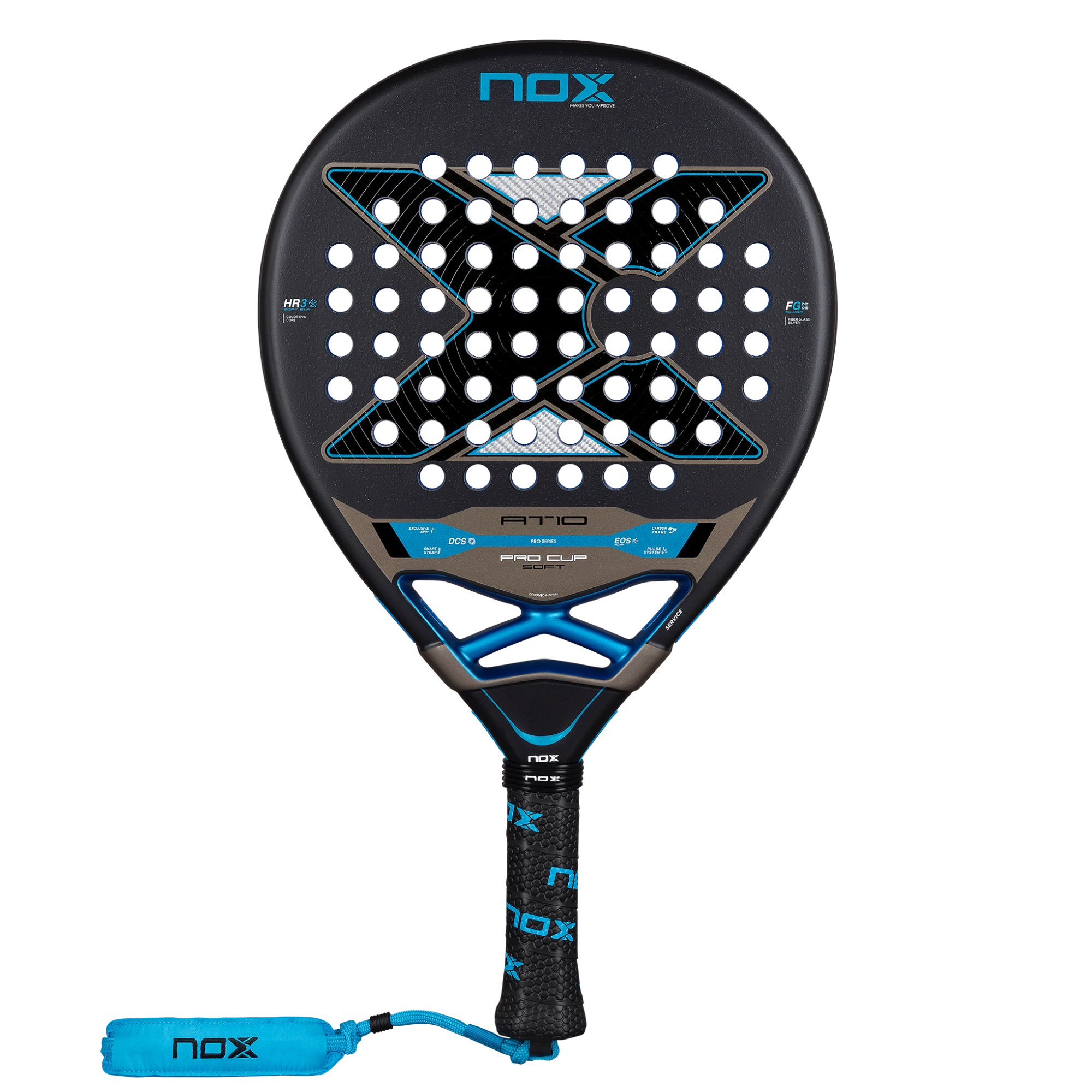
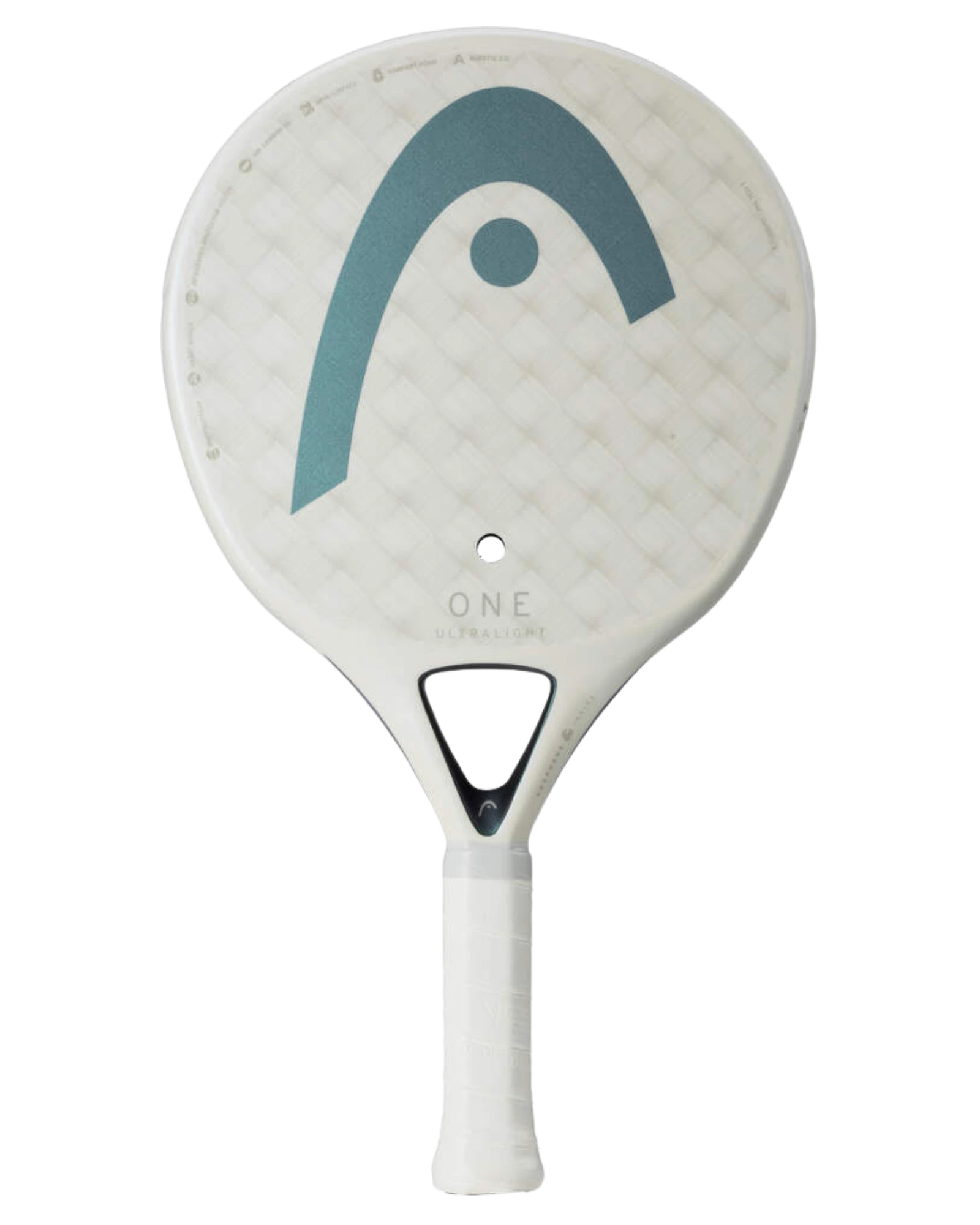
If you've dealt with tennis elbow, a sore shoulder, or wrist strain, the racket you choose matters as much as your technique. This collection gathers the gentlest padel rackets we carry: soft cores that absorb impact, lighter frames that don't...
If you've dealt with tennis elbow, a sore shoulder, or wrist strain, the racket you choose matters as much as your technique. This collection gathers the gentlest padel rackets we carry: soft cores that absorb impact, lighter frames that don't tax your arm, and a low balance that keeps vibration down on every hit. It's the same advice we give in the shop — for arm comfort, the racket's feel and weight matter far more than whether it's marketed to men or women.
Which padel racket is best for tennis elbow?
Look for a soft EVA or FOAM core, a lighter overall weight, and a low (handle-heavy) balance — that combination dampens the shock that travels into your elbow on contact. Round-shaped frames help too, since their centered sweet spot means fewer jarring off-center hits. Avoid stiff, head-heavy power rackets, which transmit the most vibration.
Do soft padel rackets really reduce arm pain?
They genuinely lower the impact your arm absorbs, but a racket can't fix everything on its own. Pair a soft frame with a slightly larger grip, a fresh overgrip, and a vibration dampener if you like one, and make sure your contact point is out in front. Many players with elbow issues also drop string-bed tension elsewhere — in padel, it's all about that softer core and lower swingweight.
Are lighter padel rackets always easier on the joints?
Usually, yes — a lighter frame is quicker to swing and asks less of your forearm and shoulder over a long match. But balance matters just as much: a lightweight racket with a high balance can still feel heavy and harsh through the ball. For joint protection, pair a lower weight with a low balance so the racket stays genuinely arm-friendly.
Can I play with a joint-friendly racket and still hit hard?
Yes, just with a different recipe. You won't get the brute power of a stiff diamond frame, but a soft, comfortable racket still lets you generate good pace through clean technique and timing — and you'll be able to play longer without flare-ups. Comfort and competitiveness aren't opposites here; they're a smart trade for anyone managing an injury.
If you've dealt with tennis elbow, a sore shoulder, or wrist strain, the racket you choose matters as much as your technique. This collection gathers the gentlest padel rackets we carry: soft cores that absorb impact, lighter frames that don't tax your arm, and a low balance that keeps vibration down on every hit. It's the same advice we give in the shop — for arm comfort, the racket's feel and weight matter far more than whether it's marketed to men or women.
Which padel racket is best for tennis elbow?
Look for a soft EVA or FOAM core, a lighter overall weight, and a low (handle-heavy) balance — that combination dampens the shock that travels into your elbow on contact. Round-shaped frames help too, since their centered sweet spot means fewer jarring off-center hits. Avoid stiff, head-heavy power rackets, which transmit the most vibration.
Do soft padel rackets really reduce arm pain?
They genuinely lower the impact your arm absorbs, but a racket can't fix everything on its own. Pair a soft frame with a slightly larger grip, a fresh overgrip, and a vibration dampener if you like one, and make sure your contact point is out in front. Many players with elbow issues also drop string-bed tension elsewhere — in padel, it's all about that softer core and lower swingweight.
Are lighter padel rackets always easier on the joints?
Usually, yes — a lighter frame is quicker to swing and asks less of your forearm and shoulder over a long match. But balance matters just as much: a lightweight racket with a high balance can still feel heavy and harsh through the ball. For joint protection, pair a lower weight with a low balance so the racket stays genuinely arm-friendly.
Can I play with a joint-friendly racket and still hit hard?
Yes, just with a different recipe. You won't get the brute power of a stiff diamond frame, but a soft, comfortable racket still lets you generate good pace through clean technique and timing — and you'll be able to play longer without flare-ups. Comfort and competitiveness aren't opposites here; they're a smart trade for anyone managing an injury.